Thursday, January 28, 2016
The Truth About Acid Reflux and Your Teeth From our Dental Office
According to a report by the Healthcare Cost and Utilization Project between twenty and thirty percent of U.S. adults, experience the symptoms of acid reflux or GERD on a weekly basis. A full sixty percent of the population has these symptoms at least yearly. This manifests as a burning sensation in the chest and throat as acid works its way backwards and up the esophagus. This proves problematic for many people, making it difficult to eat and sleep along with interfering with their concentration at work. Acid reflux also creates health problems in the stomach, esophagus and throat in addition to impacting the teeth.
In our dental office, we want to know if our patients have acid reflux so that we can help to prevent erosion in addition to treating it. By keeping teeth healthy and clean, they will remain stronger. For example, people that have cavities or gum disease will naturally be more susceptible to getting cavities and suffering other dental health issues. While cleaning teeth, we can remove bacteria from the teeth and gum lines so that they can remain healthy and cavity free. We can also provide a fluoride treatment for teeth that need strengthening and are at risk for erosion. These preventative steps aid in keeping the mouth healthy.
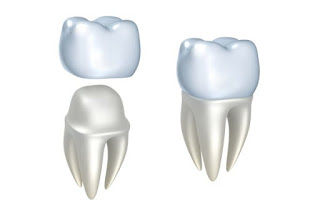
If the erosion does occur, it will first attack the enamel and cause it to wear away. As it does, the dentin underneath will become exposed which leads to sensitive teeth. When food touches the dentin it is simultaneously touching the nerve endings inside of it. This can lead to the pain signal being transferred to the brain, leading to an increase in sensitivity that many patients complain of. In this early stage, we can help by completing a bonding procedure to seal the dentin. This works well in the beginning stages but as erosion becomes more advanced; the teeth will become weak, thin and brittle. At this point, the best way to protect the teeth is to place a crown around them. A crown is a cap that surrounds the tooth and prevents anything from touching it. This procedure allows us to save a tooth that may have otherwise been pulled due to erosion.
In our dental office, we also recommend that patients take medication to control their acid reflux. By seeing your doctor, you can get a prescription that will help you to feel better and to protect your teeth. If an attack does occur, you should avoid brushing your teeth for an hour, but be sure to rinse your mouth in order to neutralize some of the acid.
Friday, January 1, 2016
Why You Should See an Invisalign Dentist
An experienced Invisalign dentist can transform your smile into something straight and beautiful, without anyone knowing you are having a dental procedure completed. The best thing about this process is that your teeth can be straightened using a clear device that is unnoticeable and inconspicuous. This is ideal for busy professionals, teens, or those concerned over how metal braces could impact their appearance.
In order to determine if you are a good candidate for the procedure, schedule a dental exam and consultation. Our team of professionals will evaluate your teeth, gums, and jaw to determine if Invisalign will accomplish the goals that you have for your smile and your dental health. Patients that have a misaligned jaw may still need traditional metal braces in order to correct it.
The Process
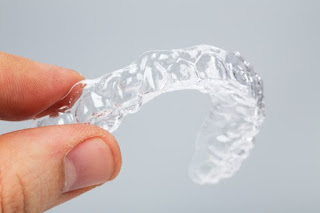
An Invisalign dentist will create a treatment plan that takes you from where your teeth are today to completely straight and gorgeous, using clear aligners. An aligner looks like a clear retainer. It completely surrounds your teeth, and patients are typically provided one for both the upper and lower teeth. To start, a mold will be taken of your mouth. In the lab, aligners will be produced for your entire treatment plan. Each aligner takes your teeth one step closer to being straight.
At home, you will switch out the aligner every couple of weeks. This will keep your teeth moving in the right direction, without requiring constant visits to the orthodontist. Since this is done on your own time, scheduling follow up appointments becomes much easier.
The aligner is supposed to be worn for around 22 hours a day. This leaves time to enjoy a special dinner out, brush your teeth, and eat your favorite caramel apple. One of the benefits of Invisalign is that you have the freedom to take the aligner out, instead of being stuck with braces regardless of the occasion. In addition, your teeth will look straighter throughout the process, helping your appearance to improve immediately.
While you are straightening your teeth, it is important to practice good oral health care at home. Brush your teeth twice a day, use floss, and an antiseptic mouthwash to kill bacteria. You can also brush your aligner with a soft toothbrush and toothpaste. Visit your Invisalign dentist for regular teeth cleanings to remove any additional bacteria that may form in your mouth. This will help to prevent cavities and gum disease while keeping your teeth healthy for the procedure. Since the aligner is replaced every couple of weeks there is less risk of it carrying infection causing bacteria, as well.
An Invisalign dentist can do wonders for your smile and help you to look positively radiant. As your teeth continue to straighten, you will notice changes and improvements to your appearance. We also recommend that patients have their teeth whitened as part of their big reveal. We offer professional teeth whitening services that can whiten your smile by up to eight shades. Once the process is complete, you will be delighted with your bright, straight smile.
Friday, December 18, 2015
Cosmetic Dentist Procedures That Will Make You Smile
If you have teeth you are unhappy with, modern cosmetic dentists make it easier than ever before to attain the smile you have always wanted. If you need a self-confidence boost, want a more attractive smile, or are concerned about health risks due to crowded teeth, we can help. We provide a variety of cosmetic dentistry procedures with the ability to improve your teeth. Learn more about the services we offer and how we can give you your best smile.
Teeth Whitening:
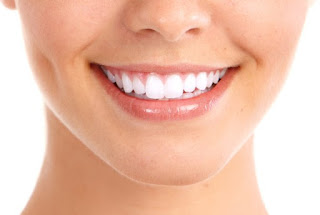
We offer in-office and at-home whitening solutions that range in effectiveness and simplicity. We have options that can suit any budget while still providing you with whiter teeth by eliminating stains and discoloration. A simple teeth whitening cosmetic dentists can provide you with surprising results.
Dental Bonding:
If you have chipped or cracked teeth or a single discolored tooth, we can provide you with dental bonding, which covers injured teeth and imperfections with a malleable solution that is permanently hardened after being placed in the correct area. This option will quickly and easily fix small dental imperfections.
Dental Contouring:
Dental contouring can be employed to align and reshape crooked or misshapen teeth. We will gently buff areas of each tooth to create a more attractively shaped structure.
White Fillings: If you have metallic fillings and would like a tooth-colored update, we can remove your dated fillings and replace them with a more attractive option. Our white fillings will blend in with your tooth color perfectly and look natural when you smile.
Dental Veneers: Our veneers are thin, porcelain shells bonded to the fronts of your teeth. They effectively cover discolored, misshapen, and oddly spaced teeth and also improve the look of jagged or chipped teeth edges. Veneers are customized for your individual needs and attractively cover dental flaws, improving your appearance drastically.
Dental Implants:
If you have missing teeth, you should consider receiving our dental implants instead of getting traditional dentures. Dental implants last forever, look and feel more natural, and are created to match surrounding teeth. Our implants are planted into your jawbone for a permanent foundation.
Dental Bridges: If you don't want a removable dental replacement, but prefer to avoid the cost and procedure of dental implants, dental bridges are an excellent option. A fabricated tooth is held in a gap by two crowns placed over abutment teeth. This is a more permanent option than dentures and provides a natural looking replacement.
These are only a few of our most common cosmetic dentists can improve the appearance and health of your teeth. Most of our treatments are minimally invasive and do not cause discomfort during or after the process. We use appropriate anesthetics as needed to offer you the most comfortable visit possible. You will be pleased with your improved smile and quick results. Our quality materials, products, and procedures provide long-lasting and beautiful teeth resilient to staining and wear.
Tuesday, December 1, 2015
Learn About Professional Teeth Whitening Brands
If you want information on professional teeth whitening brands, we encourage you to call and schedule an appointment. Things are changing all the time with companies releasing new and improved products. Visiting our office allows us to provide you with the latest updates. Still, there are a few things you should know about whitening your teeth before you do so.

The Process
When you whiten your teeth, you can do so using an at-home whitening kit or with laser whitening. We recommend using the at-home kit. Regardless of how you whiten your teeth, the solution will typically contain some level of peroxide. The type of peroxide in the solution and its chemical makeup, in general, will influence how effective it is for whitening teeth. Most products you buy in the store will only remove the surface stains on your teeth. While they will make your teeth look better, they will not turn yellow teeth bright white. On the other hand, a professional-grade whitening solution penetrates the enamel and begins the process of oxidization. This is where the molecules inside your teeth begin to reflect less light and appear colorless. Your smile will look bright white as a result, and your teeth will no longer be yellow. This is the type of solution we use in our office.
The Application
When comparing professional teeth whitening brands, you should also consider how the solution is applied to the teeth. Some whitening kits have you brush on the solution using a pen, but the results from this are not significant because the solution will not remain on your teeth long enough. Whitening strips are a better option, but they can still slip out of place, and many people find them to be inconvenient. We recommend you use a kit that uses whitening trays. This way, a solution is placed in the trays for you to then secure around your teeth and wear for thirty minutes or so. The only challenge with this option is that if you buy a kit from the store, the trays will not be designed for your teeth, but for anyone who buys the products. This creates a risk of leakage or the trays slipping out of place. For this reason, we suggest you use professional teeth whitening brands sold by our office. We will begin by having you come in for an appointment, where we make an impression of your teeth. Using that impression, we will then create customized trays designed to fit you perfectly. As a result, the whitening solution will remain in place, not leak out, and the process will be entirely comfortable. Simultaneously, since the solution is professional-grade, you will see the best possible results.
Tuesday, November 24, 2015
How Dental Veneers Restore Damaged Teeth
Esthetically dental veneers can fix damaged and stained teeth, providing you with a perfect solution that gives you back a beautiful white smile. Dental veneers are so close to the original teeth that once you have had them placed, you will forget which teeth have been augmented using the porcelain veneers. They look, feel, and act exactly like your original teeth. To do this the thin strips of porcelain, which the dental veneers consist of, have to take on some of the qualities of the naturally occurring enamel. They look exactly the same and are shade matched so that they are a match for the surrounding teeth. They also have the same hardiness. Enamel is the bodies hardest substance to withstand the rigors of chewing and biting, in a normal dietary routine. The veneers are also extremely hard to perform these same functions. On the flip side, both veneers and enamel, can be damaged if you engage in activities that put the teeth at risk for breaking, chipping, or cracking.
For damaged teeth, dental veneers provide protection, augmenting the teeth so that the damage cannot spread further. When a tooth has been cracked, broken, or chipped, there is always the potential that the damage could continue to spread as pressure is put on the tooth. This pressure comes in the form of regular activities like biting and cannot be avoided. Using a dental veneer we can repair the damage, and the veneer will provide strength to the tooth that in turn prevents the damage from spreading. Similarly when a tooth is damaged there is always the potential that bacteria could make its way past the protective barrier of the enamel and into the inner part of the tooth, spreading an infection. The dental veneers prevent this from happening by effectively sealing the tooth in much the same way as the original enamel did.
Properly taken care of dental veneers can have a long lifespan. There are not definite answers as to just how long, based on the fact that the mouth changes and each individual has a unique set of circumstances. What we do know is that veneers typically will last between seven and thirty years and that how a person maintains their mouth has a lot to do with the longevity of them. Unforeseen occurrences like accidents can cause damage, as can gum diseases and other dental emergencies. However, as long as you maintain a good oral health routine, chances are that they will last well into old age.
Some of our patients wonder how, or if, they will need to alter their routine after having a veneer replacement. The simple answer to this question is no. Veneers require no extra maintenance than your natural teeth, which includes brushing twice per day, flossing regularly, and scheduling professional cleanings with us at least twice in the year. Other than this the only thing we suggest is to avoid the overuse of products that might stain your natural teeth. Since the dental veneer doesn't stain, you do not want to overly stain the teeth around it and make things look uneven.
Monday, November 2, 2015
An Invisalign® Dentist Has Solutions For You and Your Teen
As an Invisalign® dentist, we are seeing a greater interest in young adults and teens for this alternative means of straightening teeth. Invisalign® has two distinct qualities that make it immensely popular among adults. They are extremely convenient to use, and they are very discrete. The inconspicuous nature of these tooth straightening devices have made them a favorite among adults who want to straighten their teeth without having the slightly embarrassing look that comes from wearing traditional braces. For adults, it is almost revolutionary that they have a discrete path to straighter more beautiful teeth. Sadly, a lot of parents have not made the same leap when it comes to planning a treatment for their teenagers. They are among the largest group that use braces; they are also a group that depends on their parents to make medical choices for them. As such, there is certainly a strong case to be made for selecting Invisalign® for teenagers.
The makers of Invisalign® have come out with a new product designed specifically with a teenage audience in mind. Similar to adults, teenagers have a lot of peer pressure and the desire to hide their treatment, as they straighten their teeth, is very important to teenagers. When you consider the habits of most teenagers, the food that they prefer to eat, the importance looks play in their social structure, and their busy schedules it becomes clear that parents should be considering Invisalign® Teen as an option for their growing child. It is a stellar alternative to the traditional metal braces.
There are natural advantages to working with Invisalign®, however, some patients have concerns about the effectiveness, and so it is important to note that this product works on exactly the same principle as traditional braces. Traditional braces work to move teeth into a proper alignment by exerting pressure on them. This is achieved using connected brackets, screws, and rubber bands. With Invisalign® the same effect is evident by using a series of progressive aligners, essentially putting a similar amount of pressure on the teeth to make them move. The difference is that with the new technology, this can be achieved without you or your teenager having to have a mouth full of metal and constantly having to visit our office for adjustments. As an Invisalign® dentist, we find that the conveniences of this solution cannot be understated.
One of the biggest complaints teenagers have against traditional braces, other than the fact that it hampers their looks, is the fact that it comes with a laundry list of foods that can no longer be eaten. Since braces are permanently affixed to the mouth, they have to be protected from damage. As a result your child will not be able to eat anything that is too sticky, too sweet, too sour, or too hard for fear that any of these may damage the wires or brackets in the braces. With Invisalign® there are no such restrictions. The aligners are fully removable and are supposed to be taken out to eat meals. Once you are done eating, rinse out your mouth to clean your teeth, then put the aligners back in. As an Invisalign® dentist, we can go over all of the benefits with you during a consultation.
Tuesday, October 27, 2015
The Various Types of Dental Crowns
Dental crowns are used to repair a number of different issues with teeth, providing a strong and stable solution that can greatly extend the life of your teeth. When it comes to dental crowns, you have a great deal more choices than you did a few years ago. While we have been working diligently to improve dental crowns, this has created a situation where you have to select between a variety of options. Some people swear by the full porcelain crowns, however, we have learned that when it comes to dental crowns there is no one size fits all solution, meaning you may actually not be the best fit for them. What is challenging is that so few people really understand the differences between the types of crown materials used, or the pros and cons of each of them. We can explain to you what the best kind of material for your mouth is and why during your appointment.
Porcelain dental crowns were, and still are, the best material to use when it comes to an aesthetic point of view. Porcelain looks and feels almost exactly like enamel, which means that once a dental crown is placed, the tooth is almost identical to the natural teeth. There are some other advantages to using porcelain to make dental crowns. For example, porcelain is a poor conductor of heat, which means that your teeth will experience far less sensitivity to cold and hot substances in the immediate aftermath of placing the crowns. Porcelain is extremely hard, making it very durable. This, however, also creates a disadvantage in some situations. The hardness of porcelain can cause it to wear down the opposing teeth. The other disadvantage to porcelain dental crowns is that porcelain tends to be more fragile and if mistreated can crack.
Gold has been used to created dental crowns for a very long time. For a while, gold dental crowns were the standard to which everyone aspired. Gold, like porcelain, has both advantages and disadvantages when used to create dental crowns. Some of the advantages are that gold can be attached, or bonded, to the teeth using a glass ionomer. This is advantageous because fewer people have a sensitive reaction to the glass ionomer bonding than do the more comprehensive bonding techniques used when placing porcelain crowns. In addition to this, gold is very durable, which means your crowns will last a long time. To make gold more durable, the crowns are made of an alloy which includes other metal like titanium, palladium, and silver to make the gold harder since in its purest state gold is extremely soft. Gold dental crowns also put less pressure on the opposing teeth, meaning they will cause less wear. As far as disadvantages go, the most obvious is the fact that gold is not the color of teeth and cannot be used to repair front or prominently visible teeth. In addition to this gold is a good conductor of heat, which can increase a patient's sensitivity to hot and cold substances immediately after the procedure. For these reasons, most of our patients select a tooth-colored dental crown but we can discuss both options with you during an appointment.